Year 6
Welcome to the Year 6 class page. We are really looking forward to working with you this year!
Useful links to help you with your SATs revision at home:
Maths
KS2 Arithmetic Paper Tutorial Videos
SATS - Key Stage 2 Arithmetic Tutorials - YouTube
2024 Year 6 SATs Maths Paper 1 ARITHMETIC Walkthrough (FULL Test!)
Times Tables
Home - Times Tables Rock Stars
Hit the Button - Quick fire maths practise for 6-11 year olds - Topmarks
Multiplying and Dividing by 10, 100 and 1000
How To Multiply And Divide By 10 100 And 1000 MADE EASY! - YouTube
Roman Numerals
Multiply Fractions by Fractions
HOW TO: Multiply FRACTIONS by Fractions
Multiply Fractions by Whole Numbers
QUICKLY LEARN: Multiply Fractions by Whole Numbers
Dividing by Fractions (Keep Change Flip)
Dividing Fractions with KEEP, CHANGE, FLIP | Fractions Rap Song - YouTube
HOW TO: Divide a Fraction by a Whole Number
Reading
How To PASS The READING COMPREHENSION SATs Paper (Top Tips and Hints)
How To PASS The 2026 Reading SATS Paper [Hints & Tips]
Grammar & Spellings
KS2 Grammar, Spelling and Punctuation Paper Tutorial Videos
2025 Year 6 SATs GPS Paper FULL Walkthrough (Every Question Answered)
2022 Year 6 SATs GPS Paper Walkthrough
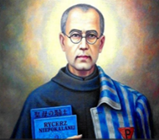
Our Class Saint – Saint Maximilian Kolbe
St. Maximilian Kolbe is the patron saint of journalism, the media and the family. St. Maximilian Kolbe was born on January 8, 1894, in Poland. He was a Polish Franciscan friar and a martyr in the German death Camp of Auschwitz during World War II. He is a martyr as he gave up his life the safe the life of another man in the concentration camp in Auschwitz.

Home Reading
Reading helps children with their knowledge, understanding and language. The children are taught to read in school; however it is important that you encourage your child to read at home daily for 20 minutes and listen to them read a couple of pages of their book every night.
Reading books will be changed regularly and every week the children will also choose a library book to read over the weekend.
Click the video link below for tips on how to support your child with reading at home.

Parents, you must sign your child’s reading diaries, so that your children can be rewarded with a stamp for their efforts.
Homework
Children will be given 1 piece of maths and 1 piece of grammar homework each week. Homework will be handed out every Tuesday (to be completed by the following Monday)

Children also have logins to Times Table Rockstars and Emile and are expected to practise their times-tables and spellings weekly.
Click the link below to access our school login in page. Then log on using your child’s username & password will also be stuck in your child’s reading diary.
https://play.ttrockstars.com/auth/school/student/12628
What will we be learning this term?
Autumn 1 2026
RE
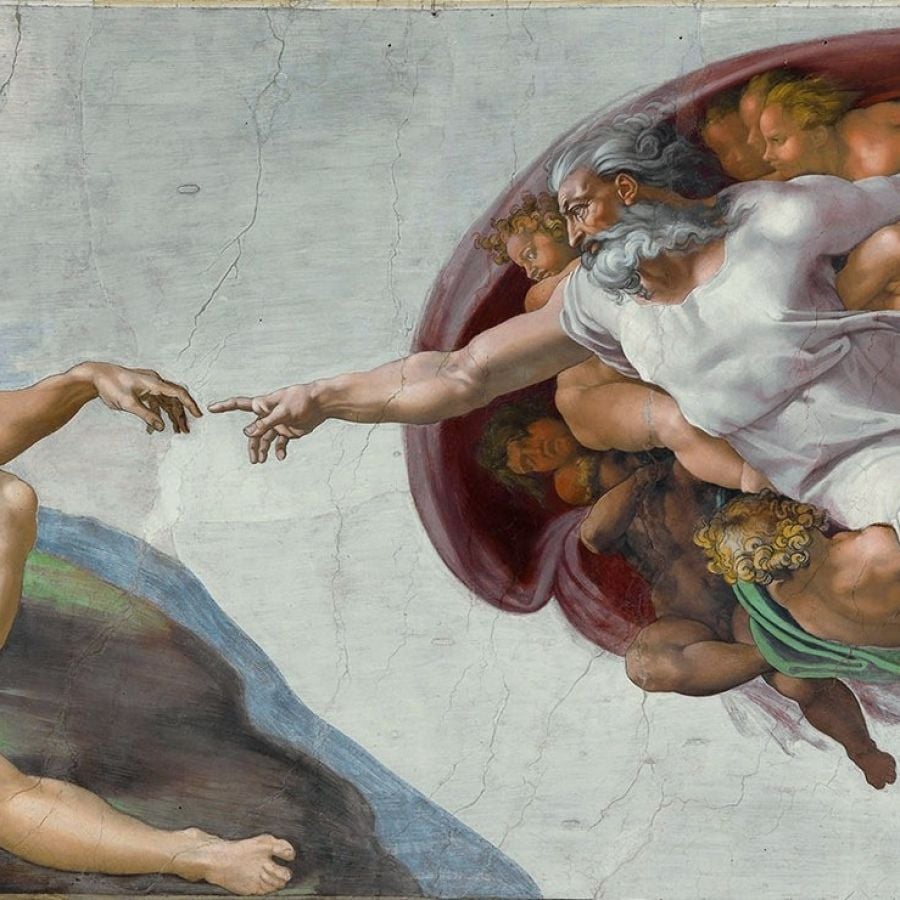
Branch One: Creation and Covenant
In Year 6, pupils explore creation and covenant by deepening their understanding of humanity's relationship with God, with each other, and with the earth. The second creation story reveals a close personal relationship between God and human beings, showing that people are created with purpose and responsibility.
Pupils discover that God entrusts humanity with stewardship, the call to care for creation wisely and lovingly. They also learn how sin enters the world through human disobedience, breaking harmony with God, and damaging relationships.
The fall is presented not simply as a past event, but as an insight into the human tendency to choose selfishness over love. Yet children also encounter God as faithful and compassionate, always seeking to restore what is broken.
Through the themes of stewardship, original sin, forgiveness, baptism, and the new covenant in Jesus, this unit shows that God's relationship with humanity is ongoing. Children see that God continues to invite his people to live responsibly, repair harm, and grow in holiness. Theological ideas from Genesis, Laudato Si, the Nicene Creed, and the Gospels help children understand how Christians see creation, human dignity, and restoration through Christ.
English and Reading

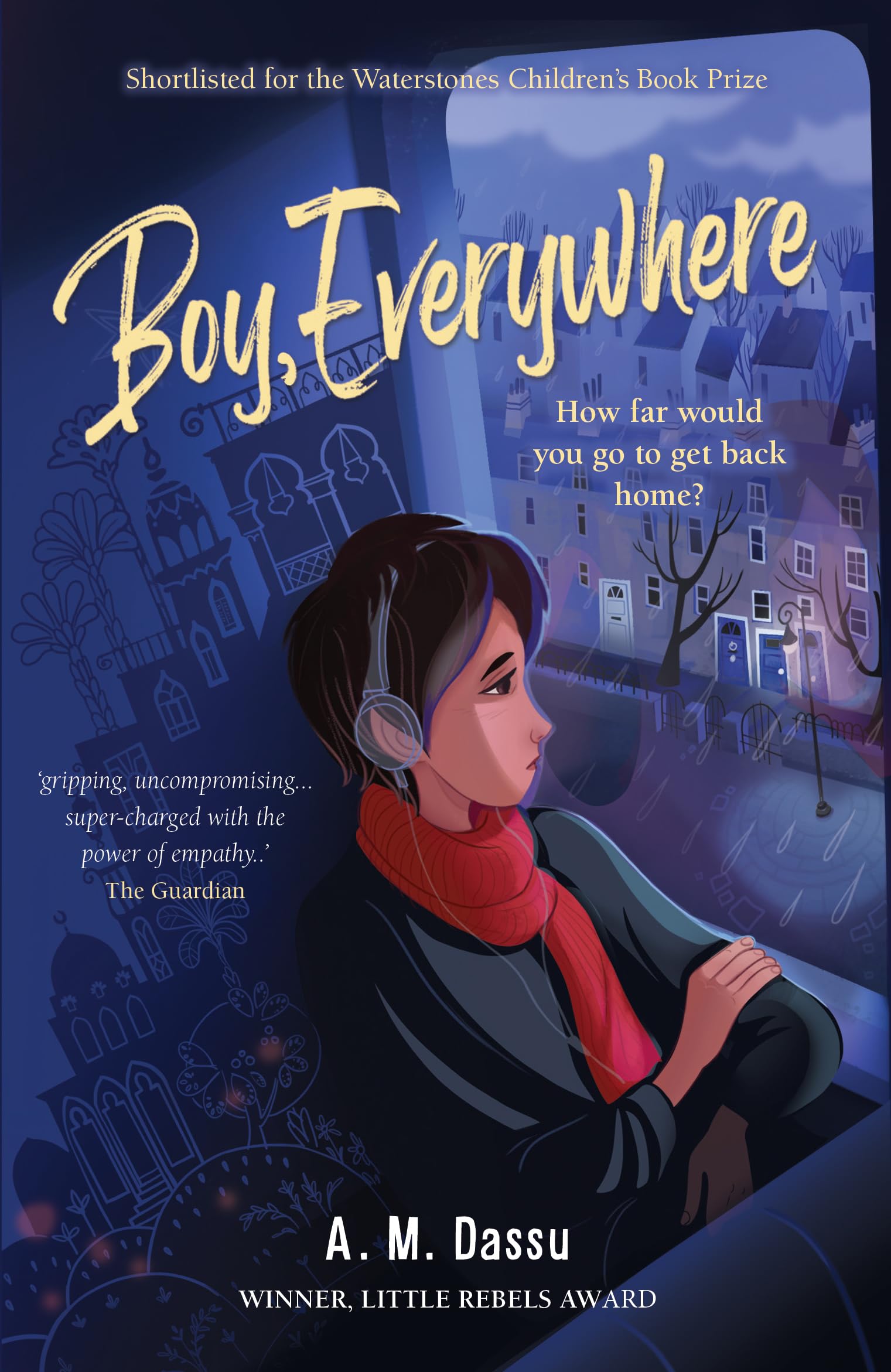
In our English lessons, this half term, we will be using the following texts as inspiration for our own writing:
'A Little Piece of Ground' by Elizabeth Laird

'Boy, Everywhere' by A. M. Dassu
'Holes' by Louis Sachar

We will learn key language and grammar skills to help us to produce a range of writing outcomes.
Ongoing throughout this term will be a strong focus on spelling, punctuation and handwriting. Please help your child to practise these skills at home. You can do this through the homework that is sent on a weekly basis.
Maths

This half term, in maths, we will be studying the following units in Power Maths:
Unit 1: Place Value within 10,000,000
Unit 2: Four Operations (1)
Unit 3: Four Operations (2)
Unit 4: Fractions (1)
Science
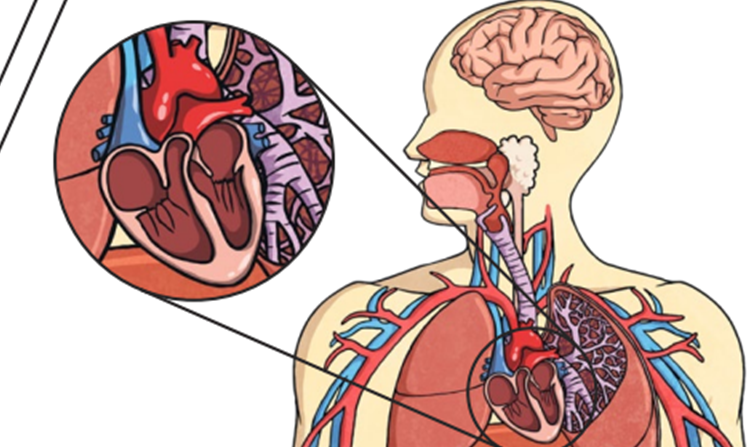
Animals Including Humans
Our science unit of work this half term will cover the following objectives:
- Identify and name the main parts of the human circulatory system, and describe the functions of the heart, blood vessels and blood.
- Recognise the impact of diet, exercise, drugs and lifestyle on the way their bodies function.
- Describe the ways in which nutrients and water are transported within animals, including humans.
History
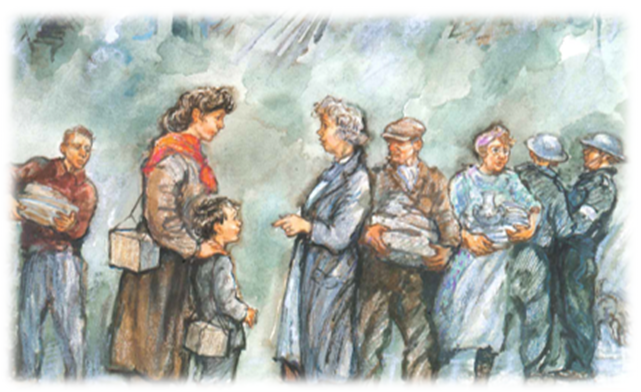
World War II
Our unit of work will be covering the following objectives:
Chronology
To use dates and terms accurately in describing events.
To describe the main changes in a period of history.
Evidence and Interpretation
To use sources of information to form conclusions about the past.
To explain that no single source of evidence gives the full answer to questions about the past.
Cause and Consequence
To describe some of the causes and consequences of World War 2.
Change and Continuity
To identify periods of rapid change in history and contrast them with times of relatively little change.
Similarity and Difference
To use appropriate historical vocabulary to compare and contrast key people/events/ artefacts in history.
Historical Significance
To describe the characteristic features of the past, including ideas, beliefs, attitudes and experiences of men, women and children.
Art
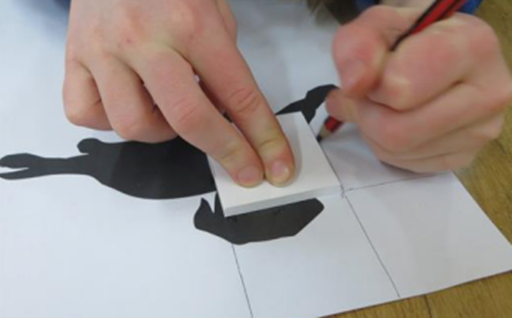
Drawing and Sketchbooks 2D Drawing to 3D Design
-
Disciplines: Drawing, Sculpture, Graphic Design, Collage, Sketchbooks
-
Medium: Card, paper, drawing
-
Artists: Lubaina Humid, Claire Harrup
Computing

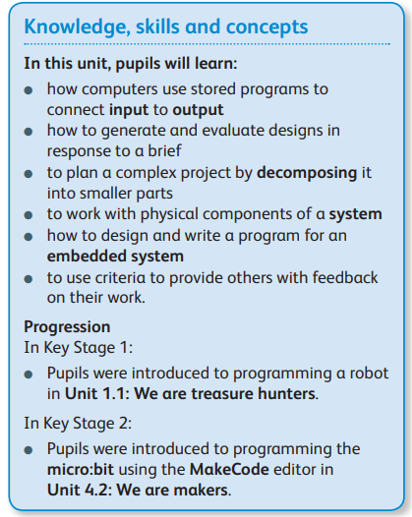
We are Toy Makers
French
In My French House
- Understand the French words for different types of houses and their rooms.
- Ask and answer questions using vocabulary about houses and rooms.
- Remember and understand the elements of a house and family.
- Use a writing frame to create a written description of their house.
- Label things in a bedroom and use the related vocabulary in simple sentences.
- Use prepositions accurately, both verbally and in written sentences.
- Write a letter to describe all the rooms in their house, where they live and with whom, using at least three prepositions accurately and including questions.
PSHE

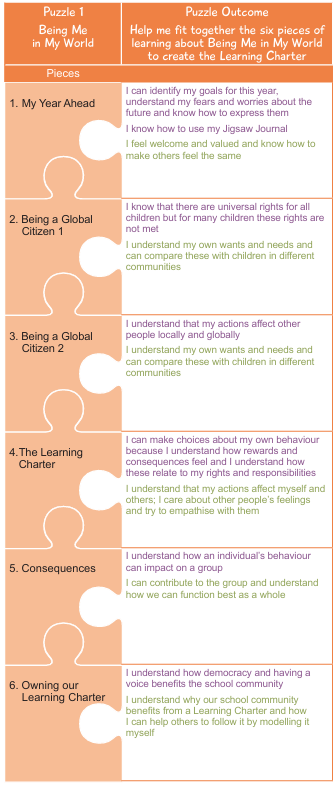
Being Me in My World
Music

Rock 'n' Roll
Our focus this half term is Gospel. Music lessons will take place every Wednesday.
PE

Our PE focus this half term:
Cricket (Monday)
Invasion Games (Wednesday)
Please ensure that your child’s P.E. kit is in school on these days. Please label all items of your child's PE kit - this really helps to save time when getting changed.
Useful links to websites that could help at home:
Arithmetic practice
https://myminimaths.co.uk/year-6-arithmetic-practice-papers/
https://www.bbc.co.uk/bitesize/primary
https://www.mathswithamouse.co.uk/
This is an excellent site, providing revision help for KS2, KS3, KS 4 and KS5. This covers all subjects through activities and tests.
http://www.icteachers.co.uk/children/children_sats.htm
A wide range of KS2 SATs questions, from both past papers and their own team of teachers.
https://www.ictgames.com/littleBirdSpelling/
The following link is to a website that is full of maths activities: https://www.themathsfactor.com/